Staphylococcus aureus is a common bacterium found on the skin and in the nose of many healthy people, however when overgrown it may contribute to a range of health issues. While it is best known for causing skin infections, emerging research suggests it may also play a role in gut dysbiosis and inflammatory skin conditions such as eczema. In the gastrointestinal tract, an overgrowth of S. aureus may contribute to bloating, diarrhoea, food sensitivities, immune activation and inflammation, which can sometimes correlate with skin flare-ups through the gut–skin axis.

Symptoms can vary widely and may include eczema, recurrent skin infections, digestive discomfort, fatigue and immune dysregulation. If you are experiencing persistent symptoms, fever, worsening skin infections or feel unwell, it is important to consult your GP or healthcare practitioner for appropriate medical assessment and treatment.
In functional testing such as a GI-MAP stool analysis, S. aureus may appear as an opportunistic bacteria when the microbiome is imbalanced. Natural support strategies sometimes used by practitioners include herbs and nutrients such as Glycyrrhiza glabra, black seed oil, Manuka honey, and specific probiotic strains including Lactobacillus rhamnosus and Saccharomyces boulardii, which may help support microbial balance and gut barrier health.

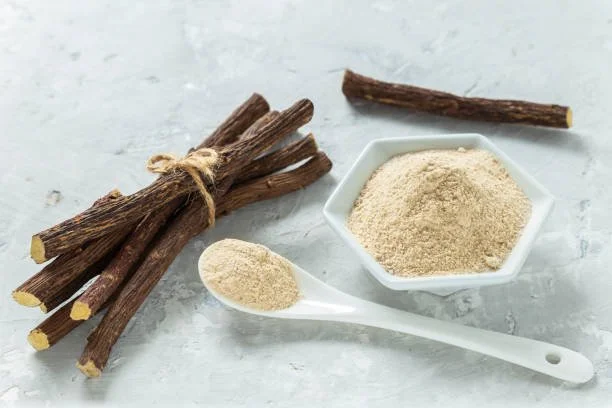
Glycyrrhiza glabra (Licorice Root) has been traditionally used in herbal medicine for its antimicrobial and anti-inflammatory effects. Research suggests that compounds within licorice, including glycyrrhizin and flavonoids, may inhibit the growth of Staphylococcus aureus and help reduce bacterial adhesion and inflammation. Licorice may also support mucosal healing within the gastrointestinal tract, making it a useful consideration in cases where gut inflammation and dysbiosis are present. Due to its effects on blood pressure and potassium levels, it should be used cautiously and under practitioner guidance.
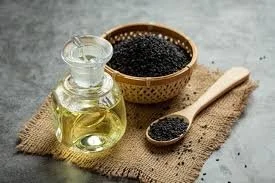
Black seed oil, derived from Nigella sativa, contains the active compound thymoquinone, which has demonstrated antimicrobial, antioxidant and anti-inflammatory activity in research. Experimental studies suggest black seed oil may inhibit the growth of S. aureus while also helping to modulate inflammatory pathways involved in eczema and gut irritation. Its traditional use in digestive and immune health has led to increasing interest in its role in supporting microbiome balance and reducing inflammatory burden.
Manuka honey is one of the most researched natural antimicrobials for Staphylococcus aureus. Rich in methylglyoxal (MGO), Manuka honey has demonstrated antibacterial activity against both standard and antibiotic-resistant strains such as MRSA. Studies have shown it may disrupt bacterial biofilms, reduce bacterial growth and alter bacterial protein expression, making it difficult for the organism to thrive. Research also suggests higher MGO concentrations exert stronger antibacterial effects.

Certain probiotic strains may also help counteract S. aureus overgrowth by competing for adhesion sites, producing antimicrobial compounds and supporting gut barrier integrity. Strains including Lactobacillus rhamnosus, Lactobacillus reuteri and Saccharomyces boulardii have been studied for their ability to support microbial balance and immune regulation. In clinical practice, probiotics are often used alongside antimicrobial herbs to help restore a healthier gut environment and reduce recurrence of dysbiosis-related symptoms such as bloating, eczema and immune activation.
Your gut and skin health are deeply connected, and addressing the underlying microbiome may be an important part of healing. If you would like personalised support with digestive health, eczema, immune function or microbiome balance, you can book a naturopathic consultation through my website.